Living With Narcolepsy
Beyond Medication
Presented monthly by:
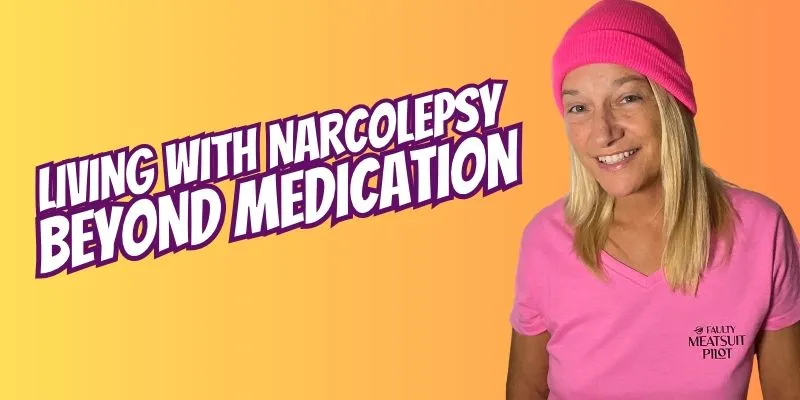
Dawn Super
45+ years living with Narcolepsy Type 1
Admin Positively Narcolepsy Group
Reserve your seat below
About Dawn
My symptoms started at 11. Diagnosed with N1 plus two movement disorders at 22, in 1992. I also have Fibromyalgia / Myofascial Pain Syndrome Complex, POTS, Sjogren's Syndrome, severe TMJ and neurospicy traits.
I have run the Positively Narcolepsy Group on Facebook for 12 years so I have vast amounts of knowledge, not only from my own experiences but also from witnessing others and lifehacks galore for not only tasks but also coping strategies.
What you'll hear:
💡 The art of napping ~ the nap time test and the proper set-up
💡 Dawn's main narcolepsy discovery ~ The ‘Tells’ ~ How you can ‘tell’ when a nap is coming. How you can ‘tell’ when going back to sleep will not help you.
💡 Giving up my fear of death ~ coping with nightmares, sleep paralysis, hallucinations
💡 Understanding the far-reaching effects of sleep deprivation beyond being ‘tired’
💡 Mental health ~ your self-image, happy matters vs toxic positivity
Calendar below 🌻
Seats are limited to 40 participants so there's time for questions.
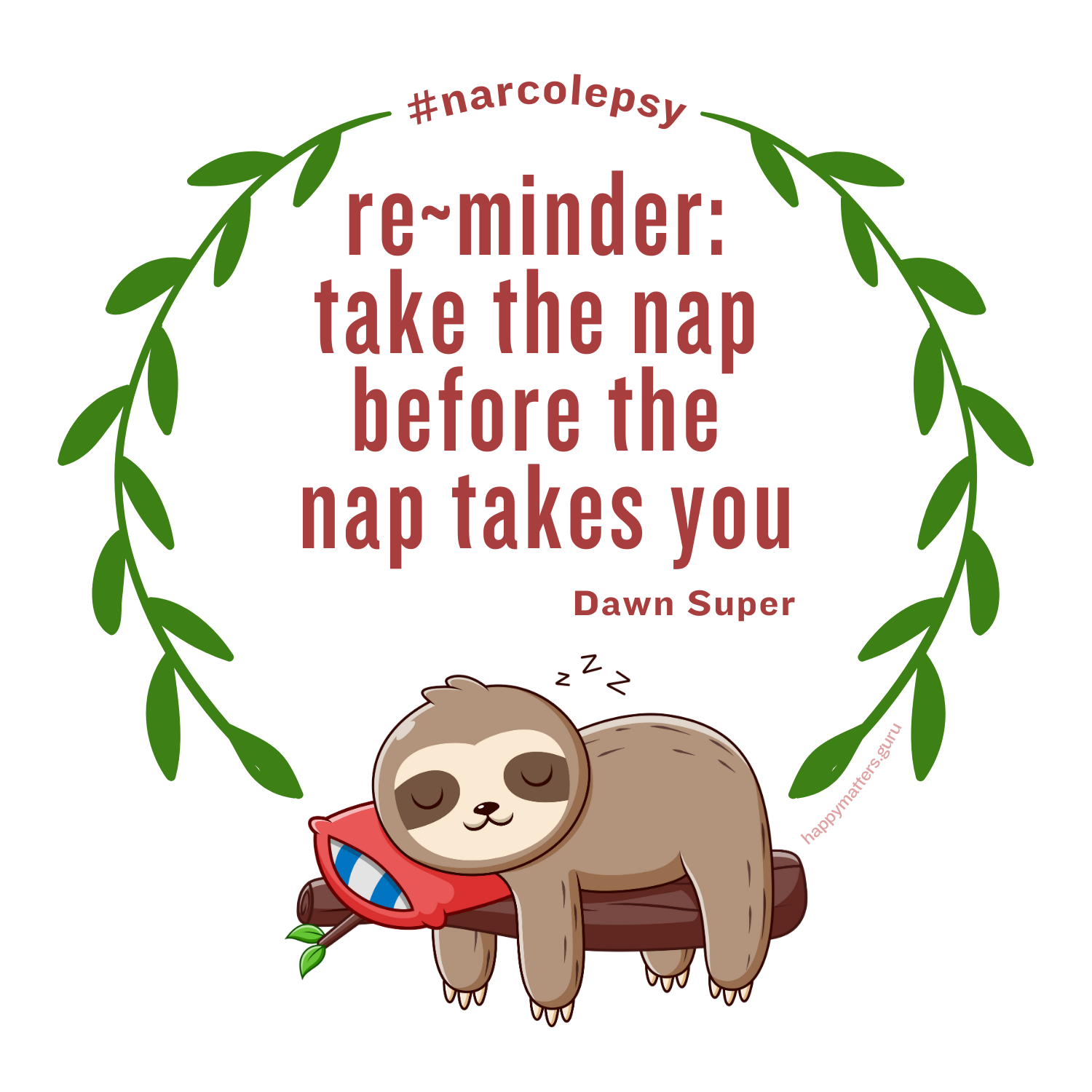 Love the reminder? Click the image to see Dawn's narcolepsy encouragement collection. There is no strong like #narcolepsystrong
Reserve your seat below
Dawn is booking only one month at a time because her health is... well, you know.
Only the next scheduled Meet date will show in the calendar and allow you to request your spot. Space is limited to make room for a meaningful Q&A.
Make sure you're on the Notify List so you'll be notified when the next registration opens.
Living with narcolepsy: support beyond medication
Living with narcolepsy type 1 can affect much more than sleep. Excessive daytime sleepiness, cataplexy, sleep paralysis, vivid dreams, hallucinations, disrupted nighttime sleep, and brain fog can make everyday life challenging. In Living with Narcolepsy Beyond Medication, Dawn Super shares personal experience, practical narcolepsy coping strategies, planned naps, sleep and wake “Tells,” and ways to support mental health while managing a chronic sleep disorder. This free monthly online narcolepsy discussion offers a welcoming place for people with narcolepsy and their loved ones to learn, ask questions, and explore ways to live well alongside medical care. These conversations share lived experience and are not a substitute for professional medical advice or prescribed treatment.